
Brass Instrumentation Tube Fittings
Contact us today with any questions or requirements. We strive to reply to all enquiries within 24 business hours and look forward to helping you.
Brass Instrumentation Tube Fittings
| Title | Specification |
|---|---|
| Standard Specifiaction | ASTM D3294 and D1710 |
| Brass | ASTM B 453, ASTM B16 |
| Pressure Rating | 300/1000/3000PSI for Brass |
| Size in MM | 1/16” 1/2” & 1.5MM to 38.1MM |
| Thickness in Mm | 0.6 mm THK to 6.00 mm THK. |
Top selling BS – 218 Brass Single Ferrule Fitting Types
Top selling BS – 218 Brass Single Ferrule Fitting Types
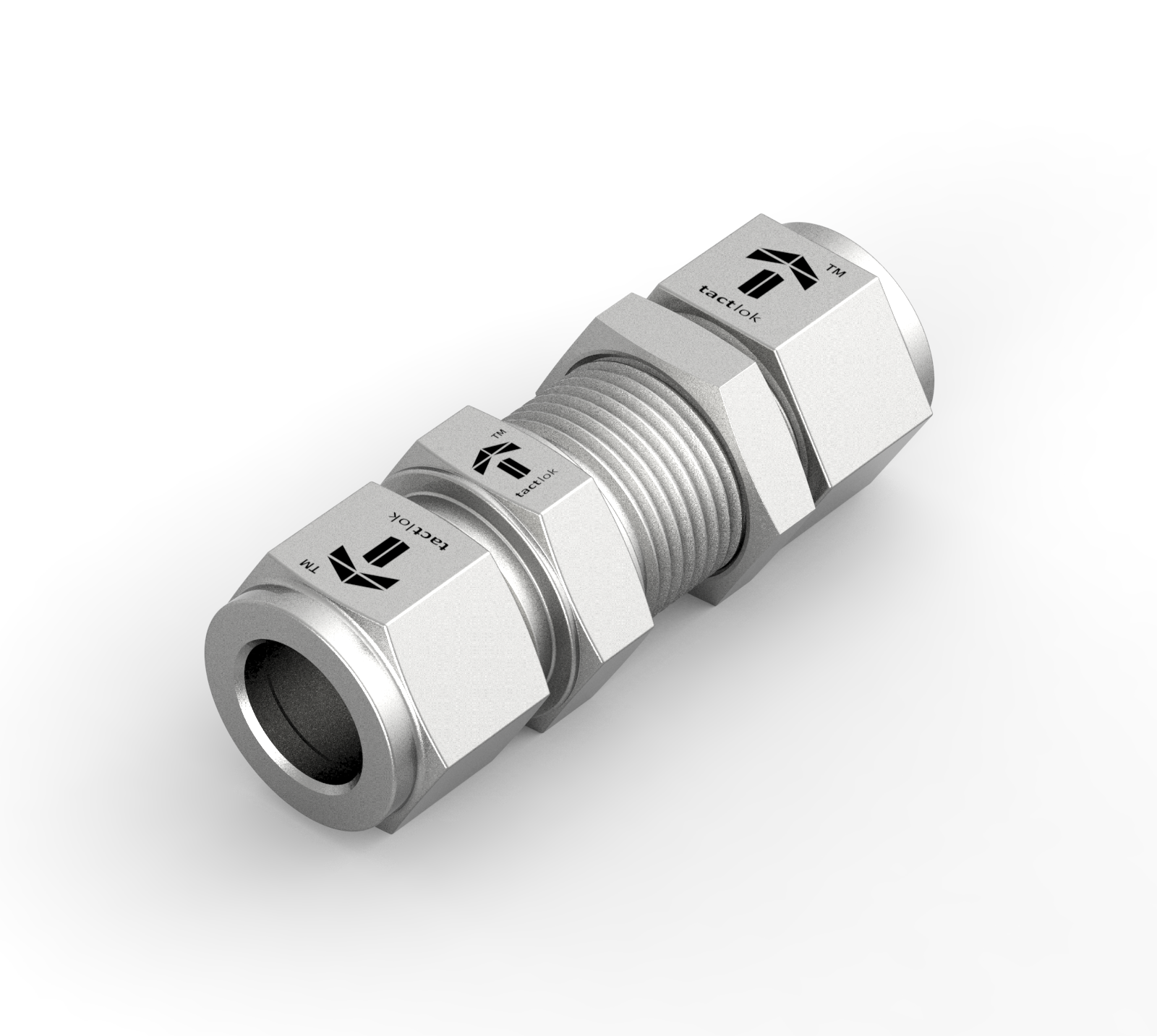
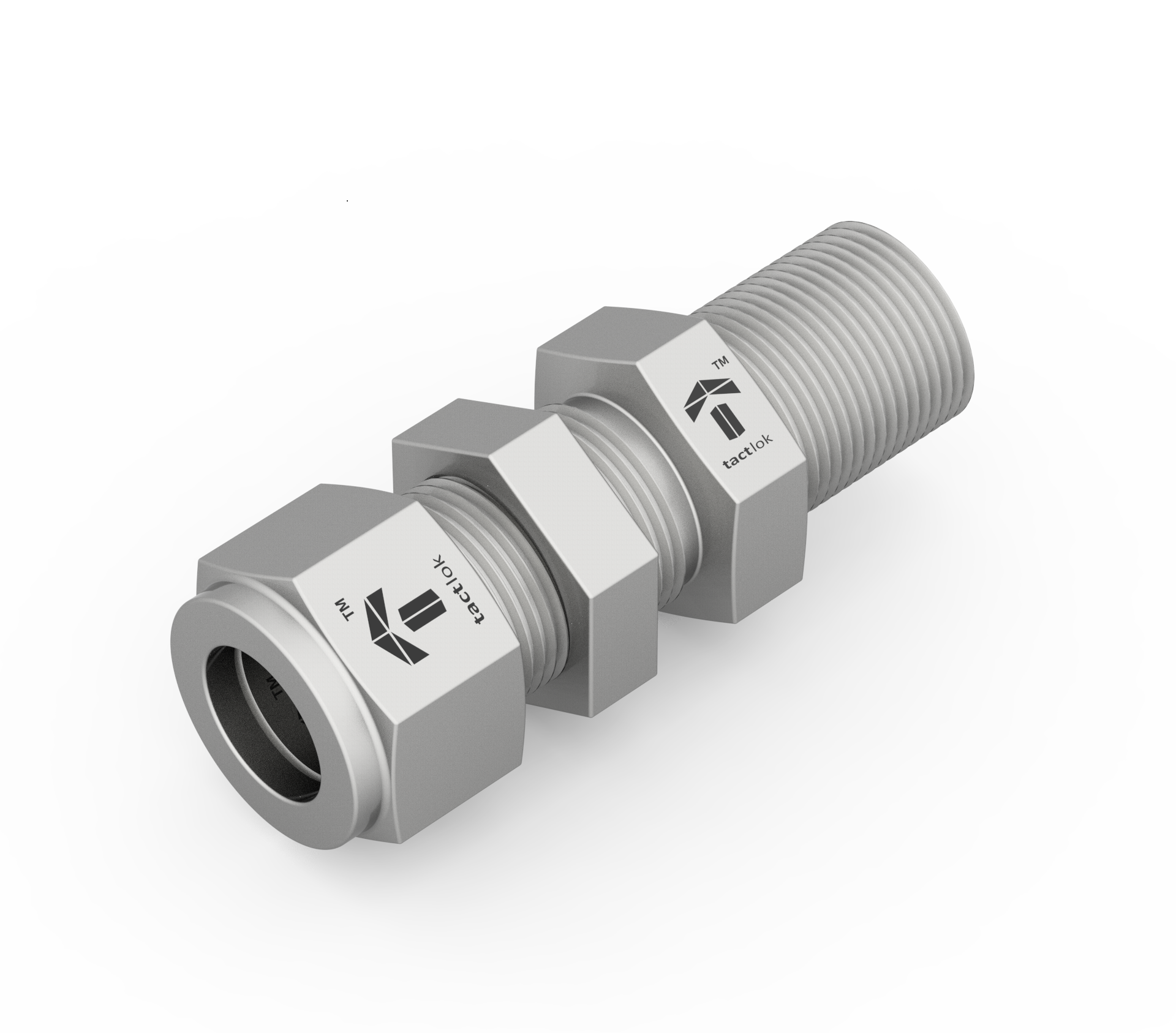
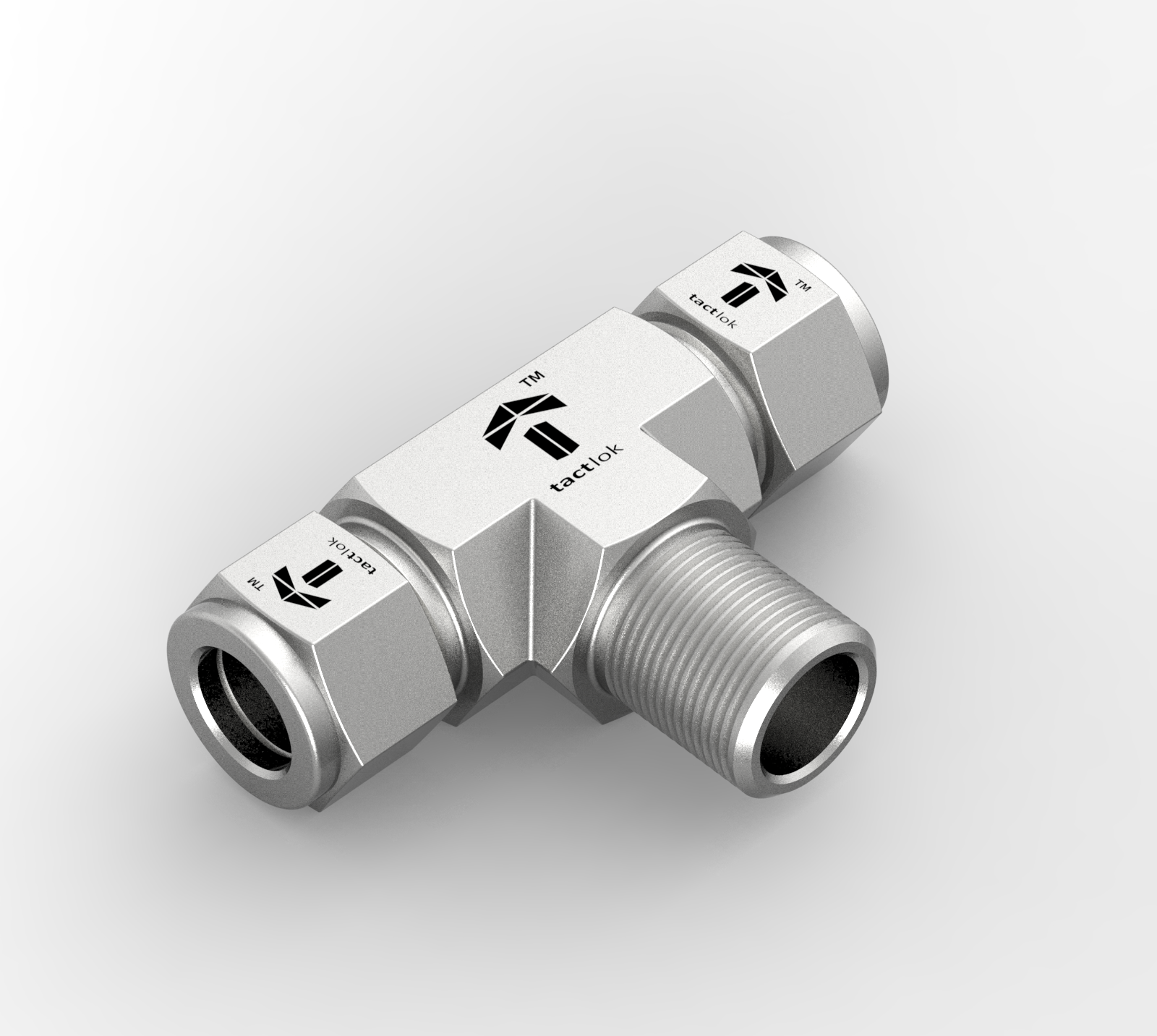
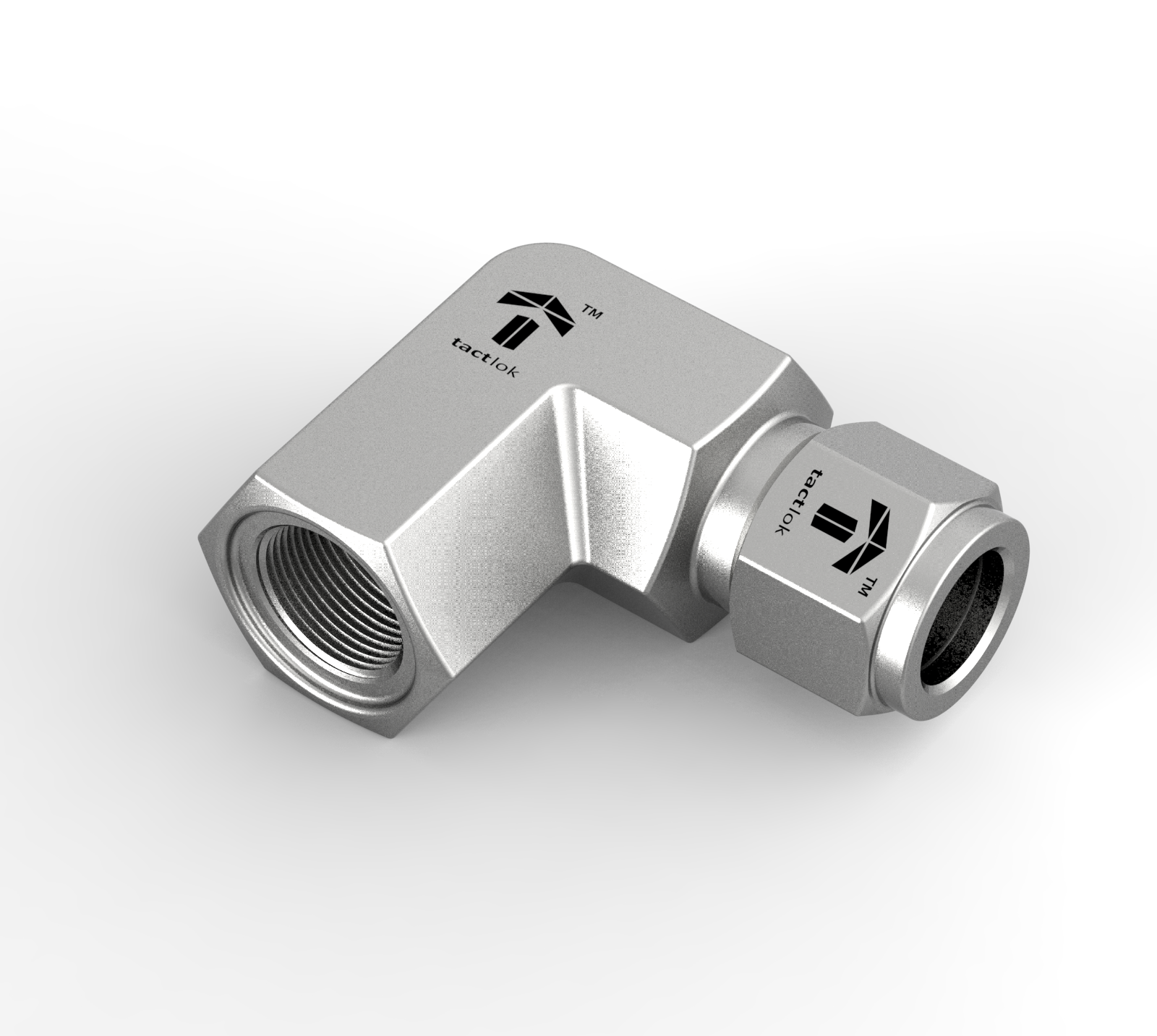
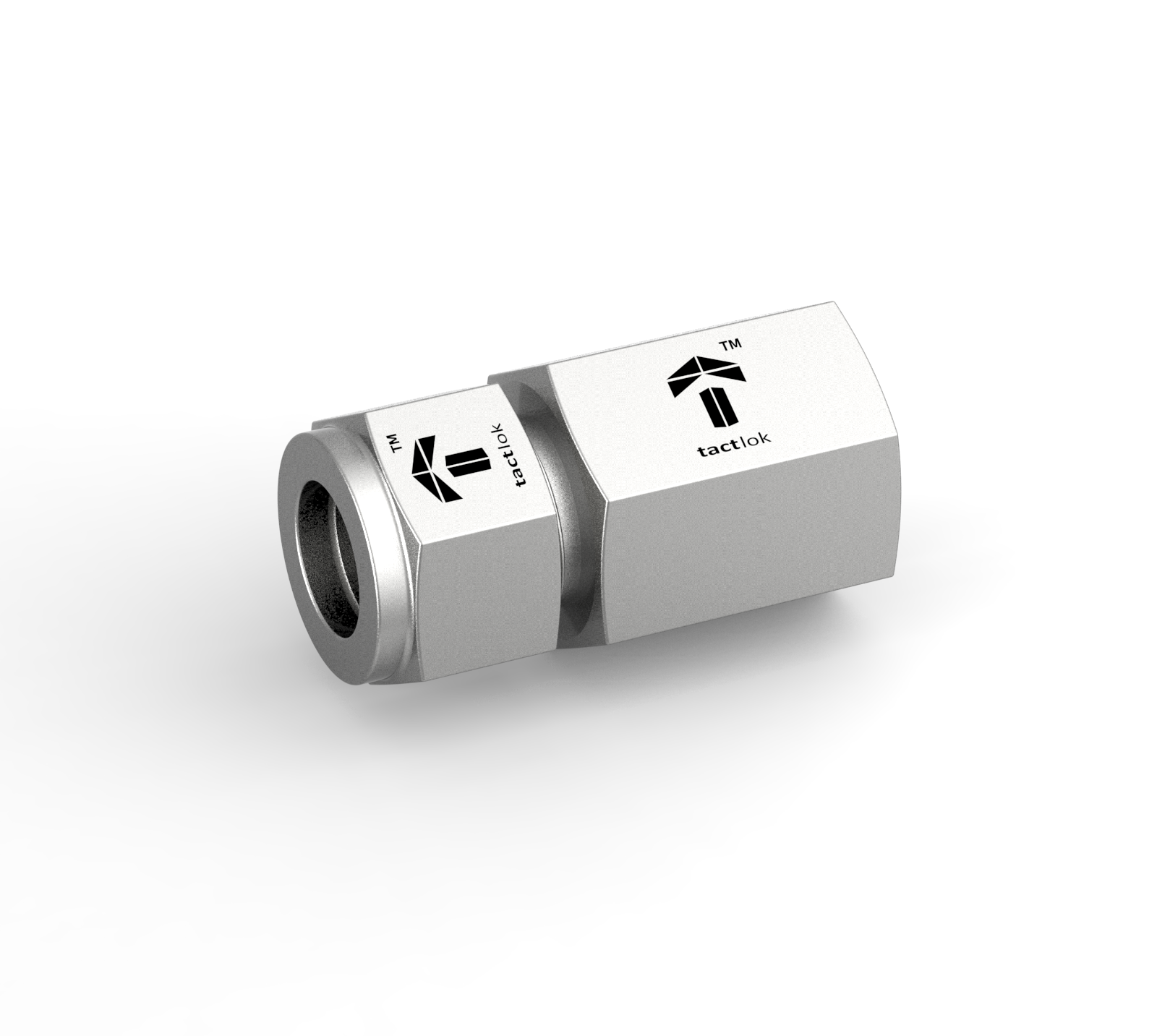
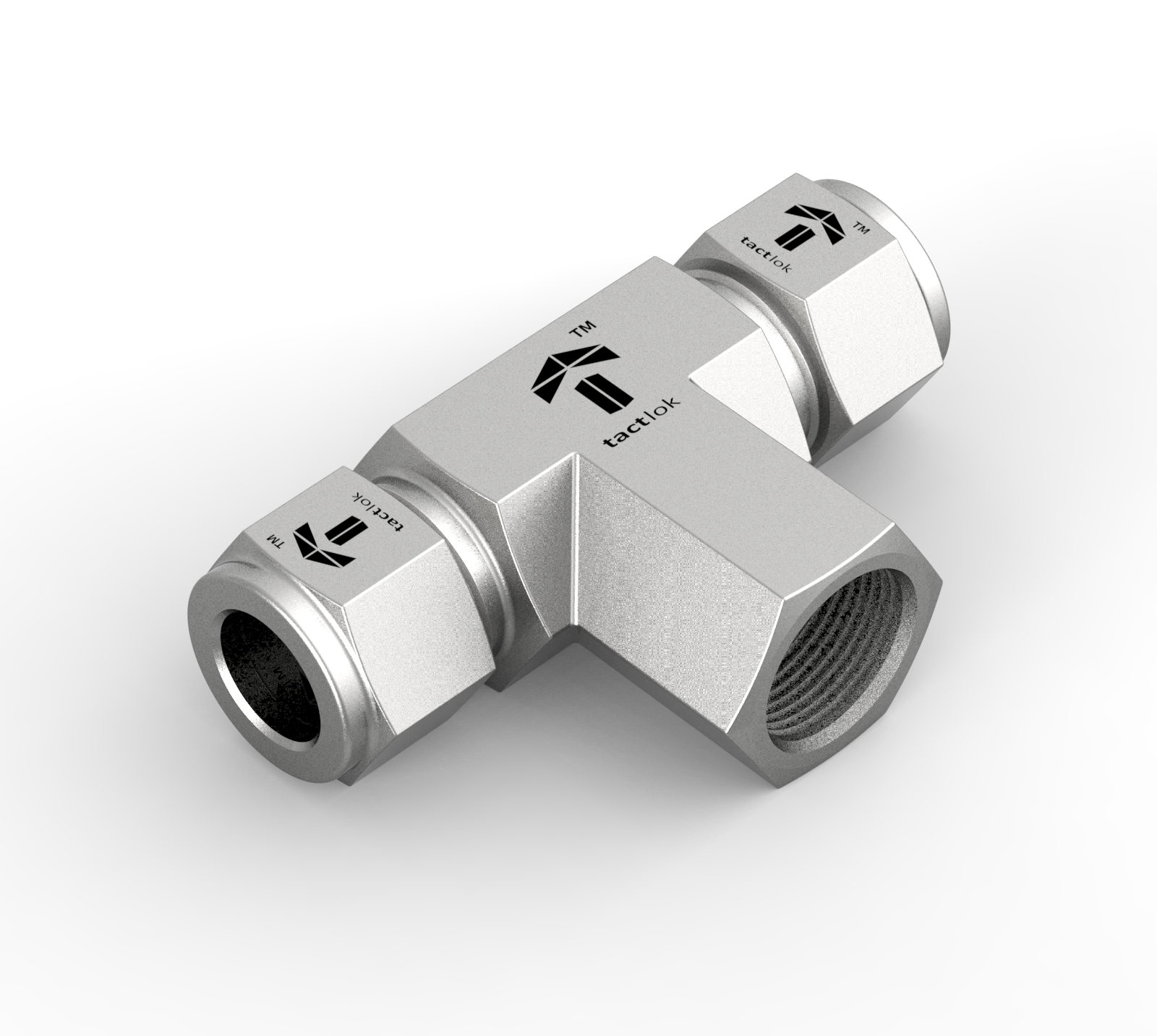
Applications, and Uses of Brass IS 319 Instrumentation Fittings
- ▪ Oil, and Gas Industry.
- ▪ Ship Building Industry.
- ▪ Power, and Telecom Industries.
- ▪ Food, Beverage, and Dairy
- ▪ Municipal and Utility.
- ▪ Mining and Construction.

SFT Valve & Fittings – India's Leading Brass Instrumentation Tube Fittings Supplier & Stockist
SFT Valve & Fittings is a leading Manufacturer of Brass Tube Fittings in India, providing top quality Brass IS-319 Tube Fittings for connecting instrumentation to central pipe work, equipment, plumbing and other types of machinery, and BS-218 Tube Fittings Suppliers that are frequently used adjacent to industrial type piping, valves, and pressure switches, as well as allowing connections to differential pressure gauges.
SFT Valve & Fittings manufactures BS-218 Double Ferrule Tube Fittings in many different sizes, thicknesses, specifications, grades and dimensions; the Instrumentation Tube Fitting products that we manufacture and supply are used primarily in high-temperature, stress-corrosion cracking, pitting, crevice corrosion, etc.
Brass Tube Fittings Manufacturer, IS 319 Brass Tube Fittings Supplier, BS - 218 Brass Tube Fittings Stockist, Mechanical Brass Fittings Supplier, All Braided & Non-Braided Brass Tube Fittings Supplier
SFT Valve & Fittings is India's largest manufacturer and supplier of brass tube fittings. We are also the largest supplier of brass NPT (National Pipe Thread) male adapters, which connect runs of tubing with other tubing and piping, etc. Our products are manufactured only from high-quality raw materials and through advanced manufacturing methods to ensure customers receive the best possible products at competitive prices. The BS 218 brass tube fitting range: BS 218 double ferrule tube; BS - 218 single ferrule tube; BS 218 brass grade male elbow.
SFT Valve & Fittings, one of India's most respected manufacturers and suppliers of brass tube fittings, has a long-standing commitment to providing high-quality fittings and accessories to customers who require compliance with international standards and specifications. Samvay provides a full range of instrumentation tube fittings, including brass tube fittings, brass tube fitting adapters, brass tube fitting couplings, brass tube fitting elbows, brass tube fitting tees, etc., as well as a full range of brass valve & instrumentation products for use by companies engaged in chemical processing, petrochemical, oil and gas, food processing and pharmaceutical industries, among others.
Brass Instrumentation Tube Fittings in Fluid Control Impart Precision and Durability.
Brass Instrumentation Tube Fittings play a critical role in the fluid control systems as essential parts that link precision with durability, making them among the essential components to industry where controlled fluid movement is a must. These fittings are made from brass alloy and possess unique qualities that are sought after for their strength, ability to withstand corrosion, and aesthetic qualities. This will provide useful information about the distinctive characteristics of Brass Instrumentation Tube Fittings, how they are used to revolutionize various industries and why they represent examples of brilliance in many different industries.
Characteristics of Brass Instrumentation Tube Fittings
Brass Instrumentation Tube Fittings are manufactured using a Copper-Zinc alloy (brass). Because of this alloy's golden colour, brass tube fittings can be very appealing in terms of appearance. However, the physical composition of this copper-zinc alloy provides the fitting's corrosion resistance, malleability, and thermal conductivity.
Advantages & Benefits of Brass Instrumentation Tube Fittings:
Resistance to Corrosion:
Brass is highly corrosion resistant. As such, brass Instrumentation Tube Fittings are able to handle the rigors of corrosive fluids and perform well under difficult environmental conditions, making them suitable for use in the chemical processing industry, where corrosion resistance is critical.
Malleability and Formability:
The malleability and formability of brass allows for intricate designs and shapes; therefore, it also allows for producing complex brass Instrumentation Tube Fittings. This is particularly useful in fluid systems with many different configurations.
Thermal Conductivity:
Gold has excellent thermal conductivity, which allows for efficient transfer of heat in applications such as HVAC and thermal fluid controls. Brass Instrumentation Tube Fittings are particularly well suited for applications with strict temperature regulation requirements.
Aesthetic Appeal:
In addition to their practical qualities (e.g., functionality), brass Instrumentation Tube Fittings are also aesthetically pleasing additions to any fluid control system. This makes them appropriate for applications requiring consideration of aesthetic appearance; for example, architectural elements involving fluid control systems.
Affordability:
Compared to many other types of alloys, brass is generally less expensive than many other types of metals. Consequently, brass Instrumentation Tube Fittings are an affordable option for most applications (especially for applications with tight budget constraints).
Uses of Brass Instrumentation Tube Fittings
1. Chemical Processing
You can use brass instrumentation tube fittings in chemical processing plants because of their ability to resist corrosion. They're very important when controlling the flow of corrosive liquids in pipes, reactors and other components.
2. Architectural Fluid Control
Brass has an attractive look, so it's used for architectural fluid control devices. Brass instrumentation tube fittings are often used in applications where functionality and beauty are both important (for instance, decorative water features and fountain systems).
3. HVAC Systems
The high thermal conductivity of brass makes brass instrumentation tube fittings ideal for use in heating, ventilation and air conditioning (HVAC) systems by helping to efficiently control the flow of refrigerants and fluids used to heat and cool.
4. Water Treatment
Brass instrumentation tube fittings are often used in water treatment facilities where they must be resistant to corrosion. They're used to control the flow of chemicals and water, which helps make sure the water-treatment process works properly.
5. Automotive Fluid Systems
Brass is malleable and resists corrosion, making brass instrumentation tube fittings well-suited for use in automotive fluid systems (brake lines, fuel systems, and other critical fluid control systems found in automobiles).
Brass Instrumentation Tube Fittings are designed to address the following challenges:
Dezincification: Dezincification occurs when zinc is removed from a brass alloy, which can degrade the material. Proper alloy choice and preventive measures address this challenge, allowing Brass Instrumentation Tube Fittings to last longer.
High-temperature applications: Brass does have limitations in high-temperature applications. However, Brass Instrumentation Tube Fittings can be optimized for these types of applications with the use of appropriate coatings or by selecting alternative materials depending on specific areas of the fluid system.
Conclusion
In summary, Brass Instrumentation Tube Fittings are reliable and versatile components that provide functionality, durability, and beauty in fluid management systems. The adaptability of Brass Instrumentation Tube Fittings will continue to make them suitable and long-lasting solutions in the complex world of fluid management as industries change.